Is a No Pull Harness Right for My Dog? Pros and Cons by Breed
Walking your dog should be one of the most relaxing parts of your day. But if your pup turns every walk into a tug-of-war, you’re probably wondering if there’s a better way to manage their pulling. Enter the no pull harness—a popular choice among dog parents who want a safer, more controlled way to walk their canine companions. But is it the right fit for every dog? The solution isn't quite that easy. The success and appropriateness of a no pull harness in many cases will rely on your dog's breed, size, and personality.
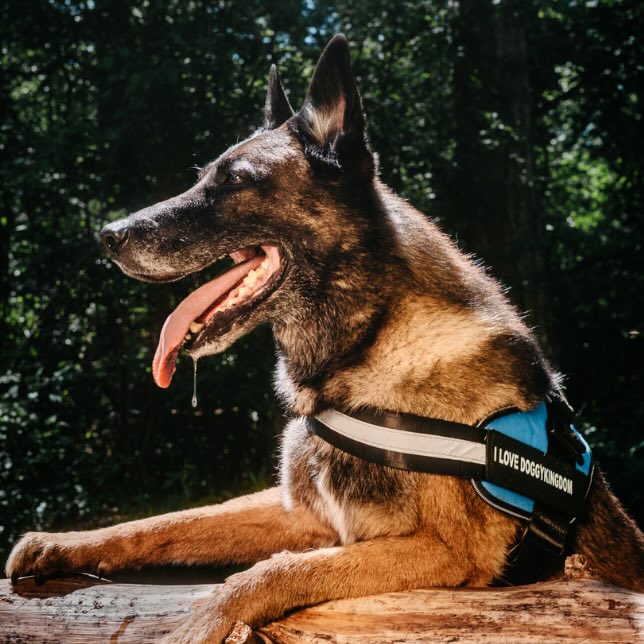
Learning about the No Pull Harness
A no pull harness is intended to minimize a dog's pulling on the leash. Unlike standard collars or even back-clip harnesses, this kind of harness usually features a front-clip attachment point, which softly guides the dog back towards the handler when they attempt to pull ahead. Some models also feature tightening mechanisms across the chest or underarms that provide gentle pressure, causing dogs to discontinue pulling without injury.
The concept of this style is not to make your dog uncomfortable, but to provide redirection and diminish the pressure dogs can exert when they pull. It's a great training tool for most, but its potency can be extremely variable depending on your dog's breed and behavior patterns.
Small Breeds and No Pull Harnesses
Small dogs such as Chihuahuas, Yorkies, or Pomeranians also do not generally pull with the same force, but they're not immune from the problem either. A no-pull harness is a good training tool for small dogs who lunge or try to dominate walks. However, due to their fine-boned construction, one needs to select a fittingly adjusted, lightweight harness that will not rub or hamper them.
A customized dog harness can be especially helpful for smaller breeds because it provides a comfortable, breed-specific fit. Pre-made models can be too loose or bulky for small frames, so a custom solution is the safer, more comfortable option.
Medium Breeds and Harness Control
Medium breed dogs like Cocker Spaniels, Bulldogs, or Australian Shepherds tend to have a moderate level of energy and muscle tone, making them stubborn leash pullers. In such situations, a no pull harness proves to be an effective training aid as well as a full-time walking solution.
These canines take advantage of an even-pressure-spread harness and a front-clip feature for resisting forward pressure. For very active breeds such as Border Collies or exuberant crossbreeds, a harness supporting control while keeping movement free balances obedience and convenience. Special order dog harness choices enter the mix here, also—particularly those breeds with specially shaped bodies, such as broad-shouldered or deep-chested dogs.
Large Breeds: Strength vs. Challenge
Exercising large breeds such as Labradors, Golden Retrievers, German Shepherds, or Huskies can be an actual physical challenge if they're pullers. The power of a large breed can turn an otherwise short stroll into a workout. In those situations, a no pull harness isn't just beneficial—it's sometimes necessary.
For bigger breeds, durability and fit are not optional. A lightweight harness will soon become worn, and a bad fit can result in chafing or even escape. That's where a custom dog harness becomes more than an extravagance—it's a necessity for safety. These dogs require tough materials, double-stitching, and careful design to guarantee that the harness can withstand stress while still providing the redirection benefits of a no pull design.
Brachycephalic Breeds and Harness Comfort
These breeds, including Pugs, French Bulldogs, and Boston Terriers, tend to have breathing difficulties, so standard collars pose a risk. For these animals, a no pull harness tends to be safer because it prevents pressure on the neck.
However, due to their unique body shapes and breathing needs, choosing the right fit is critical. An ill-fitting harness can still cause discomfort or hinder their breathing. In these cases, a custom dog harness tailored to their proportions is highly recommended, allowing you to maintain control without compromising their health.
Sensitive or Anxious Dogs
There are some dogs that are very pressure or new sensation sensitive on their body. A no pull harness might at first be anxiety or stressful for such dogs, particularly if it causes compression in parts of their body to which they are not accustomed to feeling pressure. If your dog is a shut-down or panics when they are harnessed, it is very important to do desensitization training before applying a no pull type regularly.
In these situations, a specially designed dog harness with additional padding, soft fabrics, and a safe but comfortable fit can be the difference-maker. It provides room for behavioral correction while allowing for the emotional requirements of the dog.
The Final Verdict: Is It Right for Your Dog?
Ultimately, a no pull harness can be a life-changing device for both dogs and owners. But it's not a universal solution. Its success is highly dependent on your dog's breed, size, behavior, and medical conditions. The best thing about contemporary dog equipment is that there are plenty of options out there—including adjustable ones—to suit the individual needs of every dog.
If your dog is a puller, don't give up to being towed down the street. With the proper no pull harness—or better still, a fitted dog harness—you can regain the pleasure of walking while encouraging improved leash behavior and a more pleasant relationship between you and your furry friend.
Connect with us on social media for professional updates and customer highlights:-
Facebook :- originaldoggykingdom
Instagram :- originaldoggykingdom
Pinterest :- doggykingdom


Comments
Post a Comment